



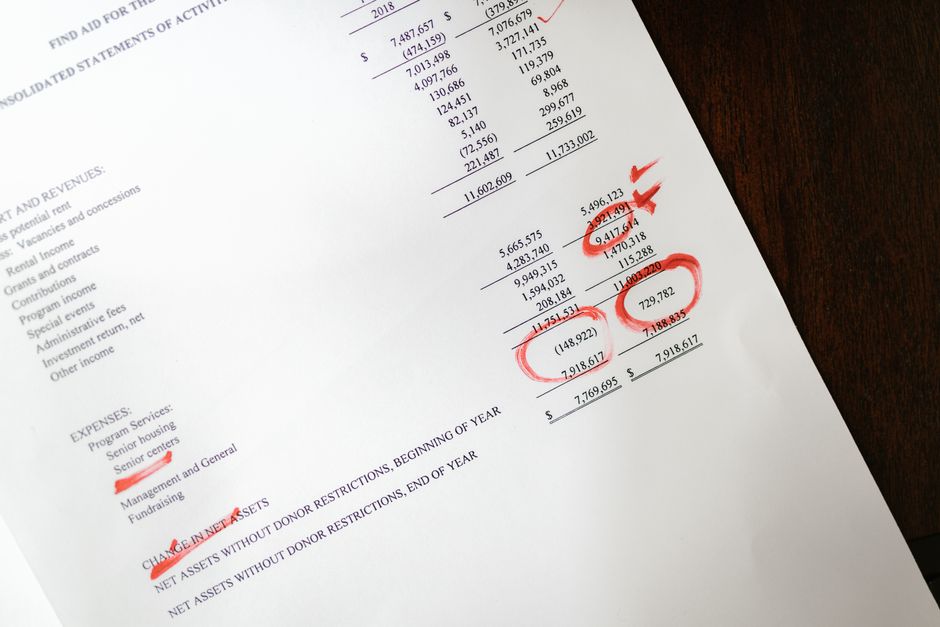

What We Can Do for Your Financial Plan

Finwise capabilities

Our capabilities cover the full range of personal finance work: portfolio construction, retirement income planning, tax-aware investing, and inflation protection. We work with individuals aged 35 to 65 who want a clear, documented strategy rather than a sales pitch. Each engagement starts with a review of your current holdings, cash flow, and long-term goals, then moves into a written plan you can follow on your own or with our ongoing support.

Capabilities — what we actually do

Finwise capabilities

Portfolio review and rebalancing

We start with a full audit of your current holdings, fees, and asset allocation. Then we build a rebalancing plan that fits your time horizon and risk tolerance, not a generic template.

Finwise capabilities

Retirement income modelling

Using conservative assumptions and historical data, we project your income needs, withdrawal rates, and tax implications. The output is a clear monthly figure you can plan around.

Finwise capabilities

Inflation protection strategy

We identify how much of your portfolio should sit in inflation-protected securities like TIPS or I-Bonds, and how to adjust that share as rates shift. Practical, not theoretical.

Finwise capabilities

ETF and index fund selection

We compare expense ratios, tracking error, and liquidity across providers. You get a shortlist of funds that match your goals, with plain-language reasoning for each pick.

Finwise capabilities

Tax-aware withdrawal planning

We map which accounts to draw from first, how to handle capital gains, and when to delay Social Security. The goal is keeping more of what you have, without aggressive loopholes.

Finwise capabilities

Passive income structure review

Dividend stocks, bond ladders, or rental income — we stress-test each source for reliability and tax efficiency. You'll know what to expect in a downturn, not just in a bull market.

How these capabilities work together

Each service is a building block. A typical engagement starts with a portfolio review, moves into retirement modelling, and then layers in inflation protection and tax planning. You can use them individually or as a full annual check-up. The point is to give you a clear picture of where you stand and what to do next — without jargon or pressure.

If you are unsure which format fits your situation, start with a short consultation. We will outline the options and let you decide what makes sense. No obligation, no hard sell.

Talk through your situation

Capabilities overview

How Our Advisory Process Works

Every engagement follows a structured path, from the first conversation to a documented plan you can act on. The steps below reflect how we work with clients on portfolio reviews, retirement projections, and ongoing financial guidance.

Initial Discovery Call

We start with a 30-minute conversation about your current holdings, income sources, and the decisions you are facing. No obligation, no product push. The goal is to understand whether our approach fits your situation before any documents are exchanged.

Document Review and Data Gathering

Once we agree to proceed, you share account statements, tax summaries, and any existing retirement projections. We organize this into a single picture of your cash flow, asset allocation, and the gaps between where you are and where you want to be.

Scenario Modeling

Using conservative assumptions about inflation, market returns, and withdrawal rates, we run several scenarios. This shows how different saving levels or spending changes would affect your timeline, so the trade-offs are visible before you commit to a strategy.

Written Recommendations

You receive a plain-language document that lists specific actions: which accounts to prioritize, how to rebalance an ETF portfolio, whether inflation-protected securities belong in your mix, and what to review annually. The reasoning behind each step is included.

Implementation Support

We help you execute the plan, whether that means setting up a brokerage account, adjusting contributions, or coordinating with your existing accountant. We do not take custody of your assets, so you keep full control of every transaction.

Quarterly Check-Ins

Markets move and life changes. Every quarter we review your progress against the plan, update assumptions, and adjust the next steps. This keeps the strategy grounded in current numbers rather than a static document from last year.

What does the financial education program cover?

The curriculum spans five core areas: ETF and index fund construction, retirement withdrawal planning, inflation protection strategies, dividend income mechanics, and portfolio rebalancing. Each module includes worked examples using current market data, not hypothetical scenarios. You work through the material at your own pace, with access to downloadable worksheets and a glossary of terms.

How is this different from a standard advisory service?

We do not manage money or execute trades on your behalf. Instead, the focus is on building your own decision-making framework. You learn how to evaluate expense ratios, compare fund structures, assess tax implications, and set realistic return expectations. The goal is to make you a more informed participant in your own financial planning, not to create dependence on a third party.

Do I need prior investing experience to join?

No. The beginner track starts with fundamentals: how a stock index works, what an ETF actually holds, and how compound growth behaves over time. More advanced modules assume you have mastered those basics. If you are already comfortable with asset allocation, you can skip the introductory sections and move directly to the retirement and inflation material.

What formats are available for the educational content?

Content is delivered as written guides, structured reading lists, and interactive calculators. Each topic has a core article, a set of practice questions, and a summary sheet you can keep for reference. There are no video lectures or live webinars. The material is designed to be read, applied, and revisited as your circumstances change.

How much time should I set aside each week?

Most people complete one module in two to three hours of focused reading and note-taking. If you prefer a slower pace, the material is self-contained, so you can pause between sections without losing context. There is no deadline and no scheduled sessions, which makes it easier to fit around work and family commitments.

Can I ask questions about my specific situation?

Yes, but with a clear boundary. The educational program includes a monthly Q&A session where you can raise general questions about the material. For personal financial advice, we recommend consulting a licensed adviser. We can point you toward the right questions to ask and the documents to prepare before that conversation. See our contact page for details on how to reach us.

Frequently asked questions

Straight answers about how the program works, what it covers, and what it does not do.

Cookie settings

We use cookies to keep the site reliable, remember basic choices, and understand which pages are useful. You can accept, reject, or review the settings before continuing.